


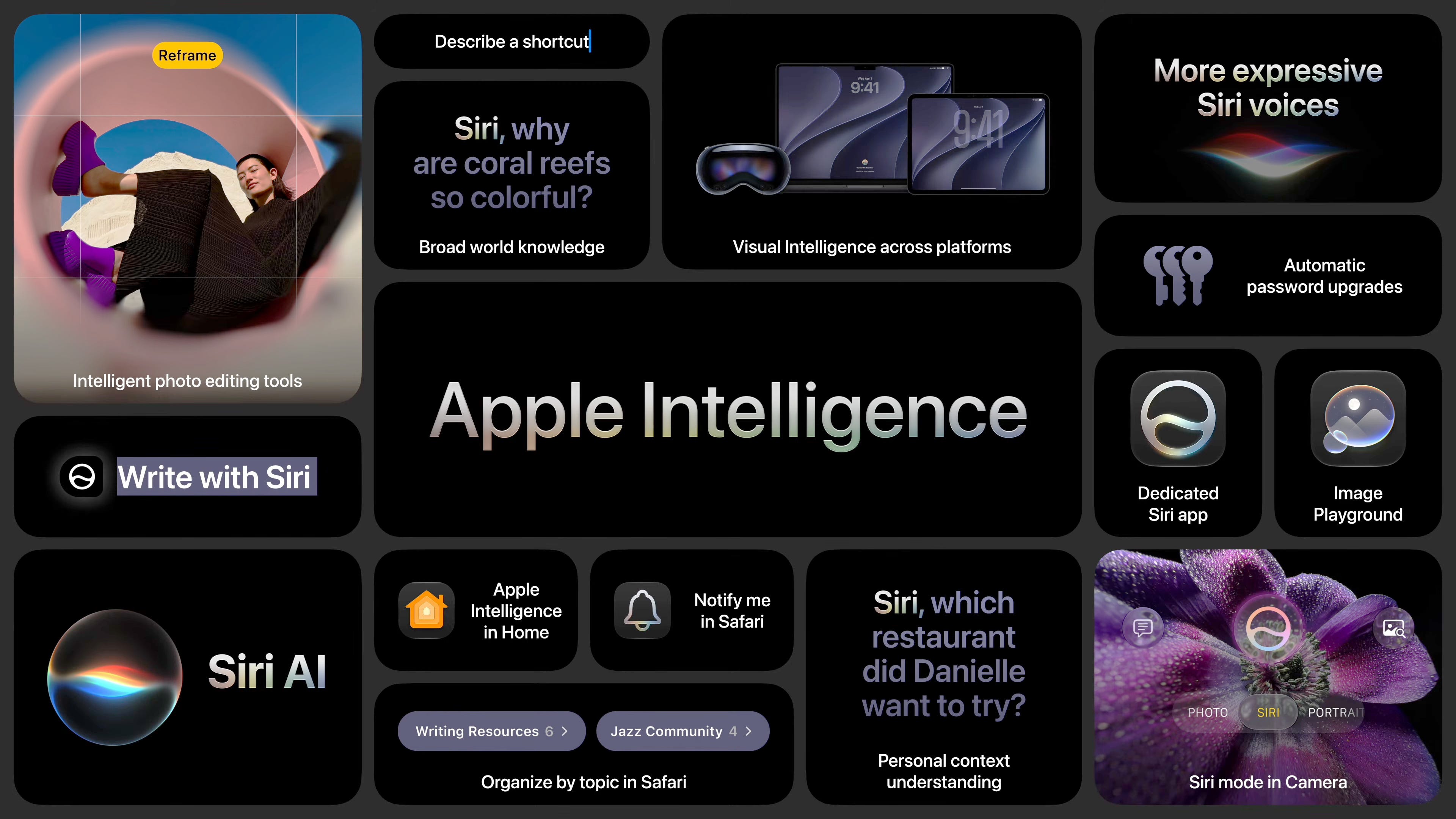
Yesterday, Apple spent roughly half of the WWDC keynote talking about Apple Intelligence.
HALF.
That’s a lot of time for any one topic at an Apple keynote.
Two years ago, when Apple first introduced Apple Intelligence, I wrote that it felt like AI for the rest of us. Not because Apple had the smartest model, or because Siri was suddenly going to beat ChatGPT overnight, but because Apple seemed to be starting from a different place.
Apple promised a Siri that understood your personal context, protected your privacy, and worked inside the devices and apps you already use every day. Things didn’t pan out that way, and it’s obvious now that the technology of 2024 and even 2025 wasn’t capable of delivering against Apple’s lofty ambitions.
But in 2026 we’re in a completely different place, and Apple wouldn’t be putting Apple Intelligence front and centre again if it wasn’t 100% sure Siri AI was going to ship later this year.
Apple had the right idea all along
Looking back, I don’t think Apple’s original idea was wrong. If anything, I think it was more right than most of the AI products we’ve seen over the last two years.
The best version of AI was never going to be a blank text box that sits in a browser tab. It was always going to be something that understood what you were trying to do, had access to the right context, and could help you get things done inside the products you already use.
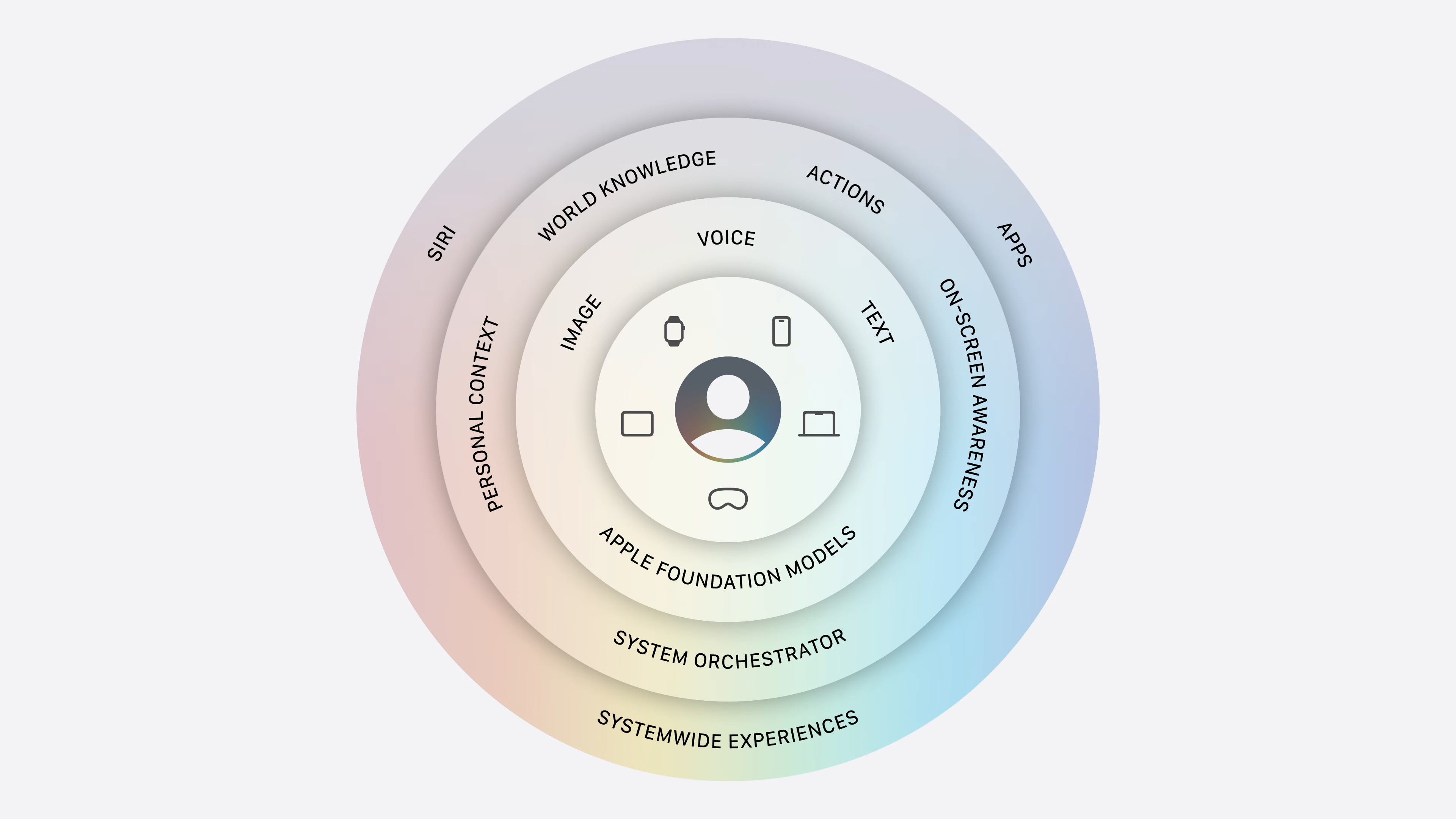
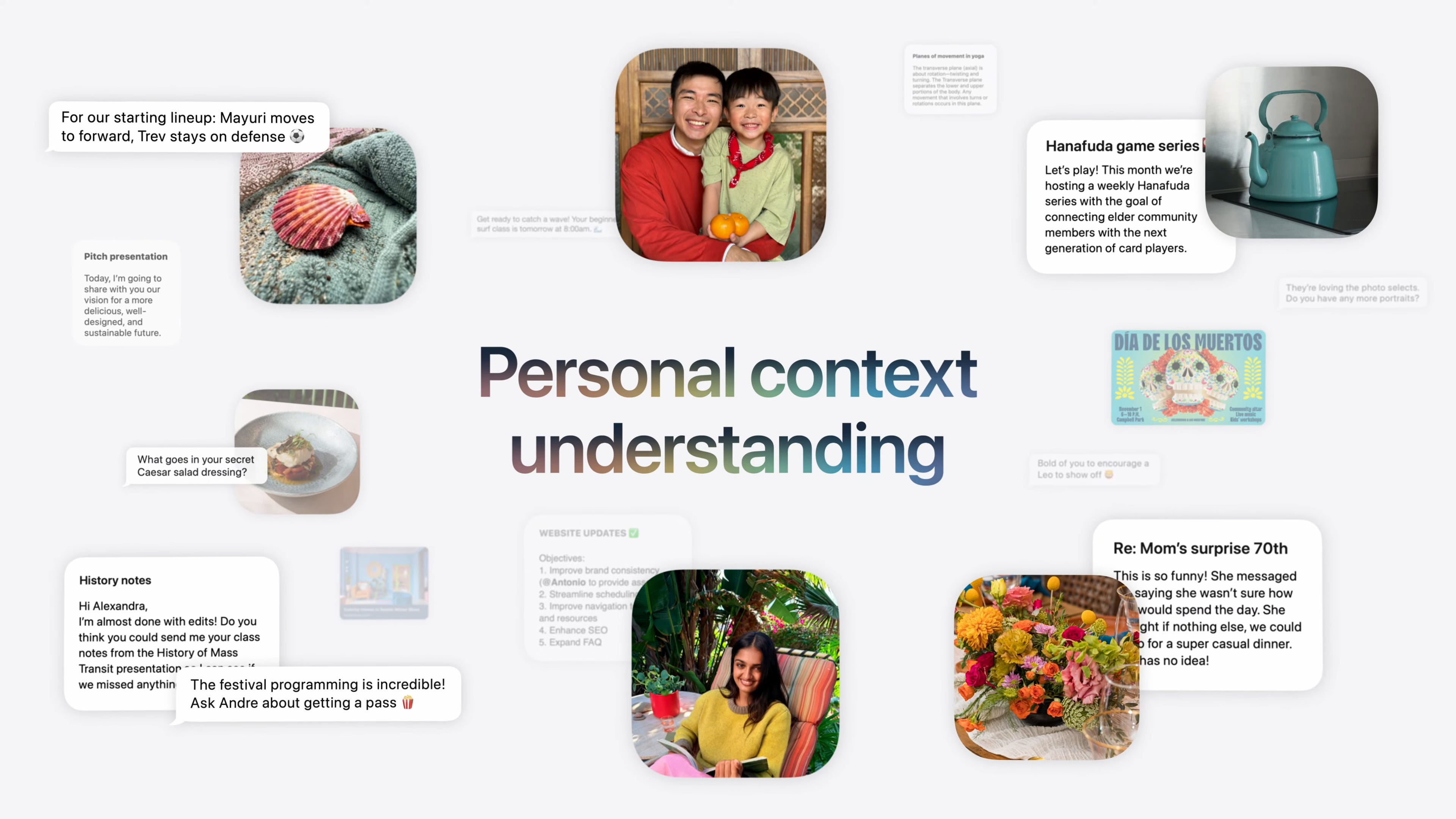
That was the promise of Apple Intelligence from the beginning. Personal context. Privacy. App Intents. On-device processing. A Siri that could understand not just what you said, but what you meant, what you were looking at, and what you were trying to do.
What’s different now is that the architecture looks much more capable of delivering against that vision. Apple has rebuilt the models, partnered with Google to use the technology behind Gemini, expanded Private Cloud Compute, and connected Siri more deeply into Spotlight, apps, screen awareness and personal context.
So the idea hasn’t really changed. It’s just finally starting to look technically possible with the technology of 2026.
This is the Siri Apple had to ship
For years, Siri has been useful for timers, weather, music, reminders and the occasional smart home command. But it never really felt like an assistant. It didn’t understand enough about you, couldn’t see enough of what you were doing, and couldn’t reliably take action across the apps where you actually get things done.
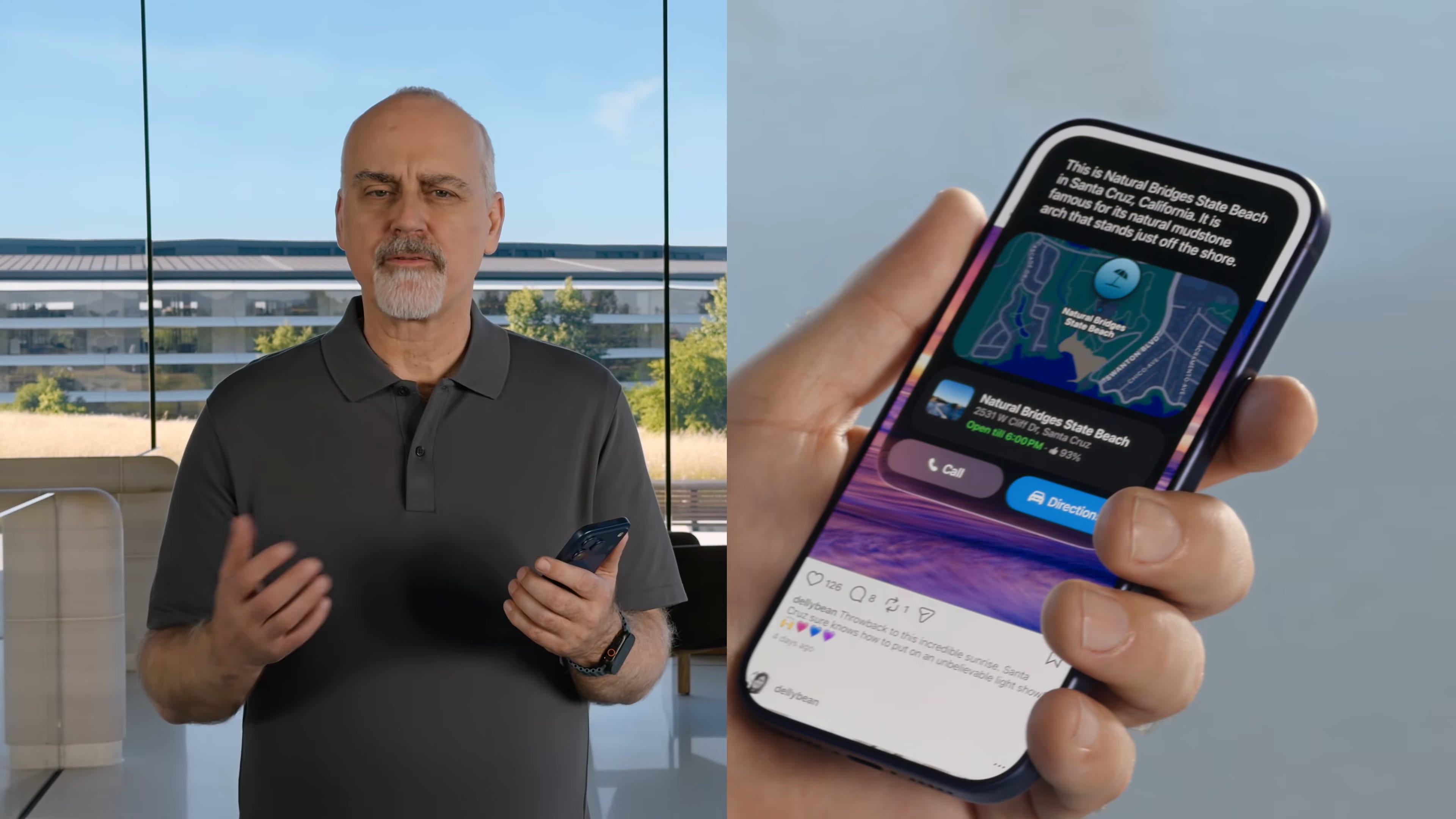
Siri AI finally looks like the product Apple was describing at WWDC two years ago. It can understand what’s on your screen, search across your messages, photos, emails and files, use up-to-date world knowledge, and take action through apps.
This is the Siri Apple had to ship because this is what an assistant really is. Not a voice interface. Not a chatbot. Not a smarter search box. Something that can understand what you’re trying to do, help you do it, and become the new interface for the Apple ecosystem.
Just ask for what you want
Apple is also making natural language a first-class citizen across its ecosystem.
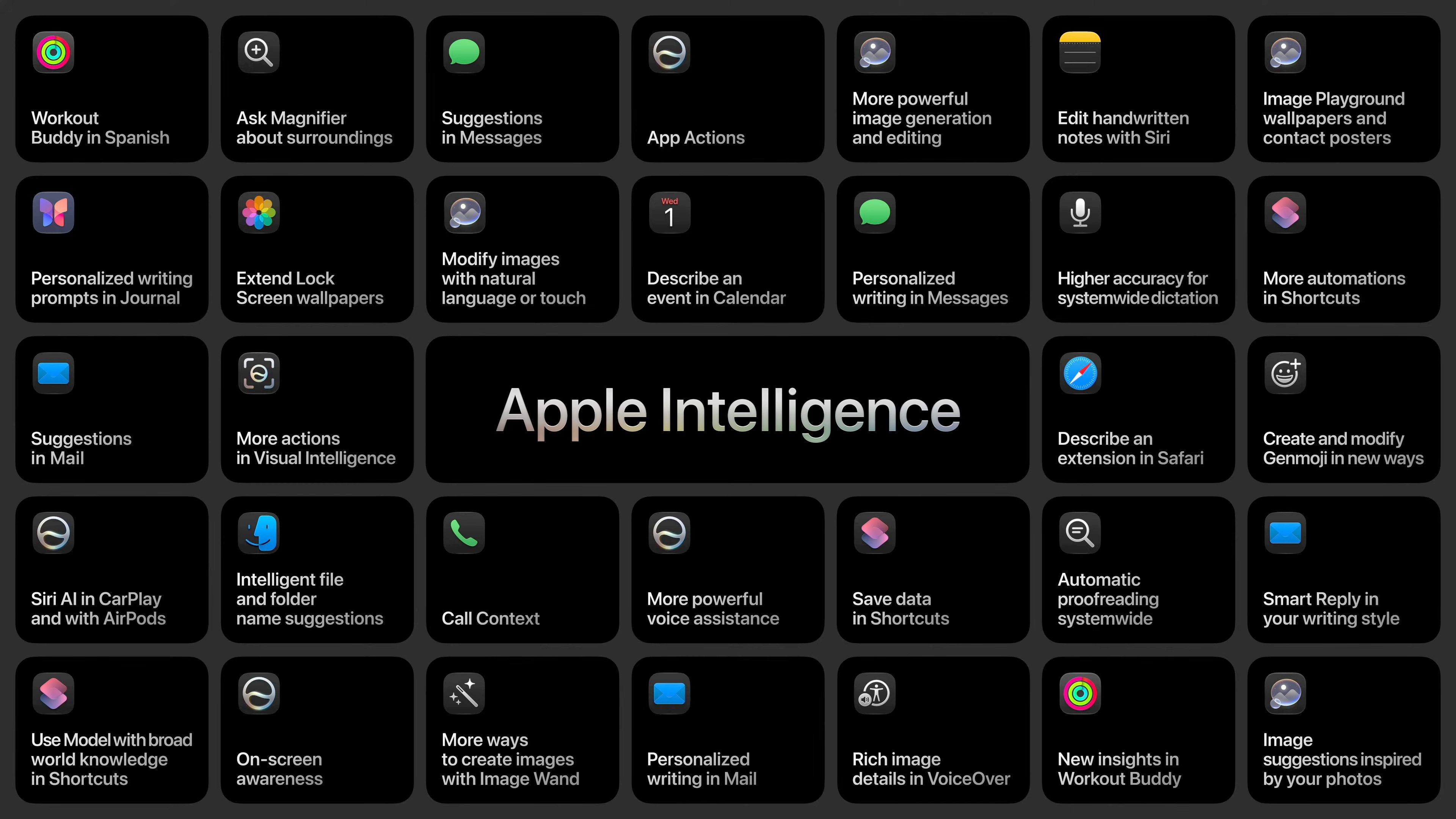
Creating a calendar event by describing it is useful. Asking Siri to find the right photos and add them to a shared album is useful. Comparing files on your Mac and asking which one solves a specific problem is useful.
But the more powerful and interesting examples were the technical ones. Building a Shortcut by describing what you want. Creating a custom Safari extension in natural language. Asking Siri to keep an eye on a website for when it’s updated.
These are things most people either don’t know how to do, or don’t even realise are possible. That’s what makes this exciting. This is what AI should be doing: helping people get more out of the technology they already use, without needing them to understand how any of it works.
What this means for brands
There is also a bigger implication for brands and marketers.
For the last year, most of the discussion around GEO has focused on ChatGPT and Gemini. That makes sense, but I think Siri AI now needs to be part of that conversation too.
If Siri AI becomes a new interface for the Apple ecosystem, it also becomes a new way for people to discover information, compare options, make decisions and take action. That means brands will need to understand how they show up in Siri AI not just ChatGPT and Gemini.
But there are some big unknowns. Nobody really knows yet where Siri AI will get all of its knowledge from, how much will come from Gemini, how much will come from Apple’s own systems, or whether showing up well in Gemini means you show up well in Siri AI.
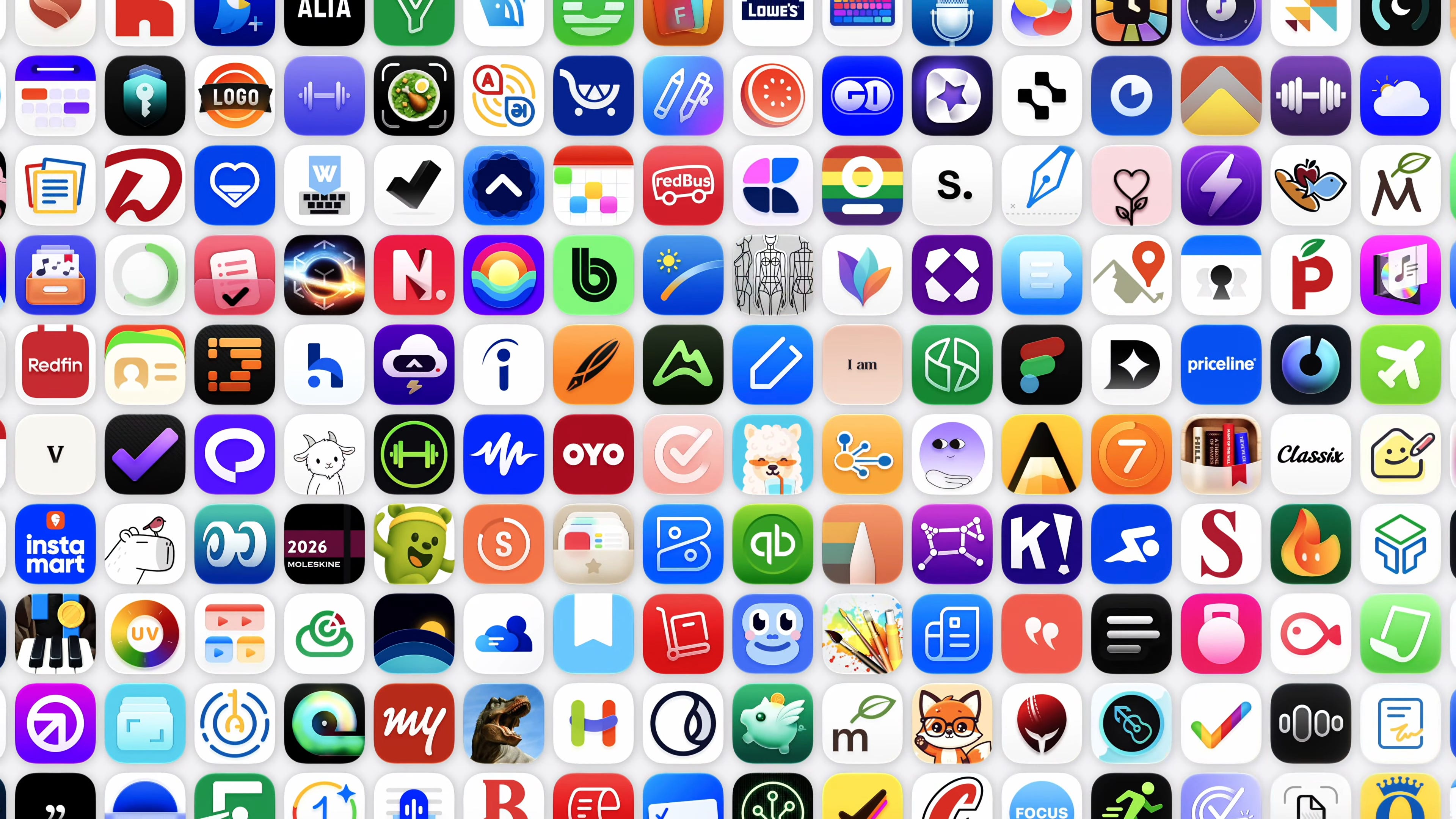
The more significant difference is apps. Until now, a brand’s app has had very little influence on how it shows up in AI answers. Siri AI could change that because Apple is giving developers specific ways to make app content and actions available to Siri, Apple Intelligence, Spotlight, Visual Intelligence and Shortcuts.
That means App Intents, in-app search, Spotlight indexing, structured app content, product feeds, location data and APIs all start to matter much, much more. They will help Siri AI understand what your brand does, what you sell, where you are, what actions people can take, and when you are relevant.
The Apple difference
This is why Apple’s approach to AI still feels different.
Most AI companies are trying to pull us into their products. Open ChatGPT. Open Gemini. Open Claude. Ask a question. Write a prompt. Start a new conversation.
Apple is trying to do something else. It is trying to put AI inside the products people already use, so your phone, Mac, Watch, apps, camera, messages, files and photos all become more useful.
That’s a much more Apple-shaped version of AI. Less about the model. Less about the prompt. More about the experience.
There is one annoying caveat, which is that Siri AI won’t initially be available in the EU on iOS and iPadOS. So I may not even be able to properly test the thing I’m writing about straight away.
But that doesn’t change the bigger point. Apple is showing us what personal AI could be. Not a chatbot bolted onto your life, but intelligence built into the technology you already use.
Sources: Apple | WWDC Live Stream | The Verge | TechCrunch
“The future is already here, it’s just not evenly distributed.“
William Gibson