


It’s been an interesting GenAI news week with OpenAI’s rapid release of GPT-5.2 (only a month after GPT-5.1), but more significant I think is the 3-year licensing deal they struck with Disney. There was also the release of a controversial AI-generated ad from McDonalds in the Netherlands and Google showed off a new prototype web browser that generates interactive apps as tabs.
There was lots of Web 4.0 news as well with Google announcing that they would be bringing ads to Gemini next year and also being investigated for anti-competitive practices with AI Overviews and AI Mode in search. OpenAI also announced a partnership with Instacart to help power Instant Checkout.
There were some interesting AI Ethics articles too with a report that a quarter of UK teenagers use AI chatbots for mental health support and Trump signed an executive order to ban state level AI laws.
GPT-5.2 is OpenAI’s latest move in the agentic AI battle
So, this is OpenAI’s reaction to Google’s release of Gemini 3 a few weeks ago. It’s a point release in name, but I think it is probably more capable than the point would suggest. I’d peg this at a 0.5 model and that’s mostly because of the gains OpenAI has made with how useful it is in real life, and especially in professional settings.
As Ethan Mollick pointed out, GPT-5.2 posted a really impressive score on GDPval, which pits models against humans on tasks that require 4-8 hours of work. GPT-5.2 scored 70.9% when the previous best score was under 50% - that’s a huge increase!
The release of GPT-5.2 paves the way for OpenAI to evolve ChatGPT into a more “personalised assistant”, which is what I think we’ll see next year when GPT-5.5 is released.
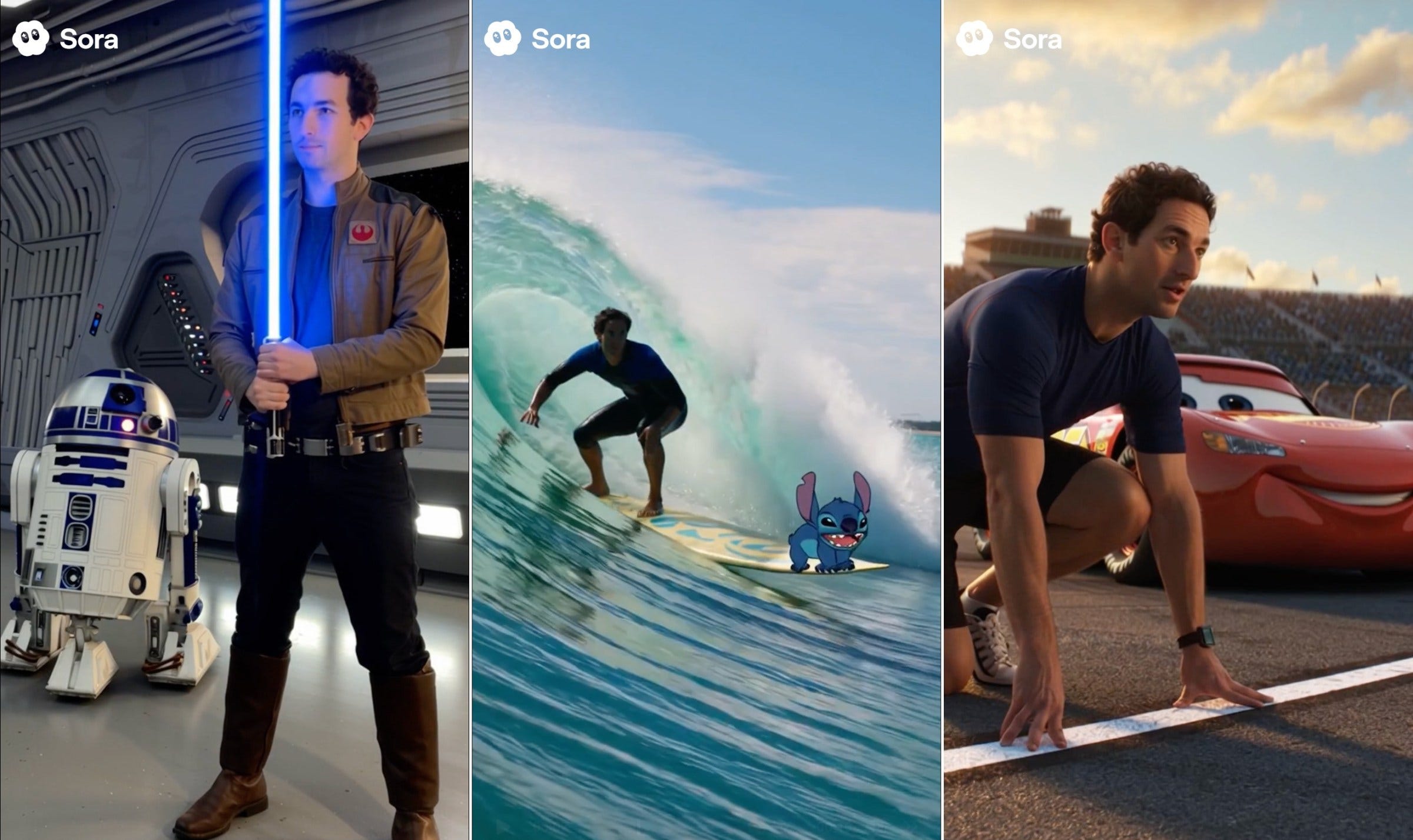
OpenAI’s billion-dollar Disney deal puts Mickey Mouse and Marvel in Sora
I’m going to file this under ‘big deal’. It was only a matter of time before a large IP owner decided to jump into generative content with both feet, I’m just a little surprised it’s Disney and that they’re getting into it in such a big way!
Just as a reminder, the new Sora model and social app only arrived 10 weeks ago, and in that time it has been the catalyst for this deal which comes with a $1bn investment from Disney in OpenAI. Astounding.
The three-year licensing deal allows Sora (and ChatGPT Images) to generate more than 200 animated, masked and creature characters from Disney, Marvel, Pixar and Star Wars including costumes, props, vehicles, and iconic locations. The key here is ‘animated, masked and creature characters’ - this does not give OpenAI licence to recreate the likeness of any actors that portrayed any Disney owned characters in live action, or to use their voices. As part of the announcement, Disney also said that Sora-generated content will start to appear on Disney Plus next year. Hmmmm, not sure how that will go down with the general public, but I might be surprised!
I do think that this is overall a good thing. IP owners should retain ownership of their property and generate revenue from it. But I also think it’s good that consumers can play around with that content - remix it, repurpose it, and immerse themselves in it. Hopefully it won’t just be the large corporate IP owners that can benefit from this and any IP owner can start striking similar deals.
Everyone Hated the McDonald’s AI Christmas Ad So Much It Got Taken Down
I don’t actually think this is the worst AI-generated ad (😜) I’ve seen, but the backlash was so strong it’s now effectively been scrubbed from the internet.
Yes, it’s another example of low-effort AI slop in mainstream advertising, and yes, it was almost certainly made quickly and cheaply. But the reaction seems to hinge less on the use of AI itself and more on the creative choice to frame Christmas as “the most terrible time of the year”, which landed badly for obvious reasons.
It’s a useful reminder of one of the core problems with generative AI lowering the cost and friction of making content. When it becomes this easy to produce work at scale, editorial judgement matters so much more. Just because you can make something doesn’t mean you should.
Google is building an experimental new browser and a new kind of web app
When Google released Gemini 3 a few weeks ago I briefly wrote about Generative Interfaces so it’s great to see them experimenting with this more.
Disco is a variant of Google’s Chrome browser that includes a concept called GenTabs which is essentially a custom app for whatever you’re trying to do. Each GenTab is generated by Gemini but can be directed and amended by the user. For example, instead of just writing you an itinerary for a trip to Japan it will build an interactive app for the trip that has all the recommendations for the trip in a calendar and on a map. Users can open tabs of where they would like to go and GenTab will add them to the itinerary alongside its recommendations..
Google haven’t quite worked out what GenTab is yet - whether it creates throw away one-off apps or whether the apps should have more permanence and be shareable. The answer is probably both - I can see people wanting to keep and share some apps, but others are just a one-off.
I’m really excited to see where this takes us - generative interfaces will play a big part of how we interact online, we’re just not quite there yet.
Web 4.0
Google is building an experimental new browser and a new kind of web app
OpenAI, Anthropic, and Block join new Linux Foundation effort to standardize the AI agent era
AI Ethics News
‘I feel it’s a friend’: quarter of teenagers turn to AI chatbots for mental health support
Scores of UK parliamentarians join call to regulate most powerful AI systems
Evidence That Humans Now Speak in a Chatbot-Influenced Dialect Is Getting Stronger
‘We are truly doomed’: King Gizzard and the Lizard Wizard despair at AI clone appearing on Spotify
“The future is already here, it’s just not evenly distributed.“
William Gibson
This piece realy made me think. AI moves faster than my Pilates instructor's counting.