


For your entertainment and delight this week we have three news stories that shine a light on a new battleground I think we have coming - speed and efficiency. First we have Google’s launch of Gemma 4, Microsoft launched three new frontier models, and then there is some great research from Anthropic on the ‘emotions’ of AI models.
In Web 4.0 news there’s a nice little update on ChatGPT Ads and a report on the stark reality digital news publishers are facing with the rise of AI platforms.
In Long Reads there’s a really good article from Stratechery celebrating 50 years of Apple which also has a great argument for why Apple is wining the AI war by sitting it out. Great argument, and a great read.
Google announces Gemma 4 open AI models
We’re now on the 4th generation of Google’s ‘open-weight’ Gemma models and the biggest change this time around is that they’re now released under a proper Apache 2.0 licence, the most common open-source licence there is. This is great for developers and businesses.
Gemma 4 is also a big update to the capabilities of this family of models, over the previous version that is 12 months old now. The models were built using all the same research and technology that were used to build the third generation Gemini models that have been hugely successful over the last 6 months.
Gemma 4 comes in the usual variants allowing them to be run locally, which dramatically reduces costs and increases speed. There are versions that can run on laptops and versions that can run on mobile devices.
YouTube | Google | Ars Technica
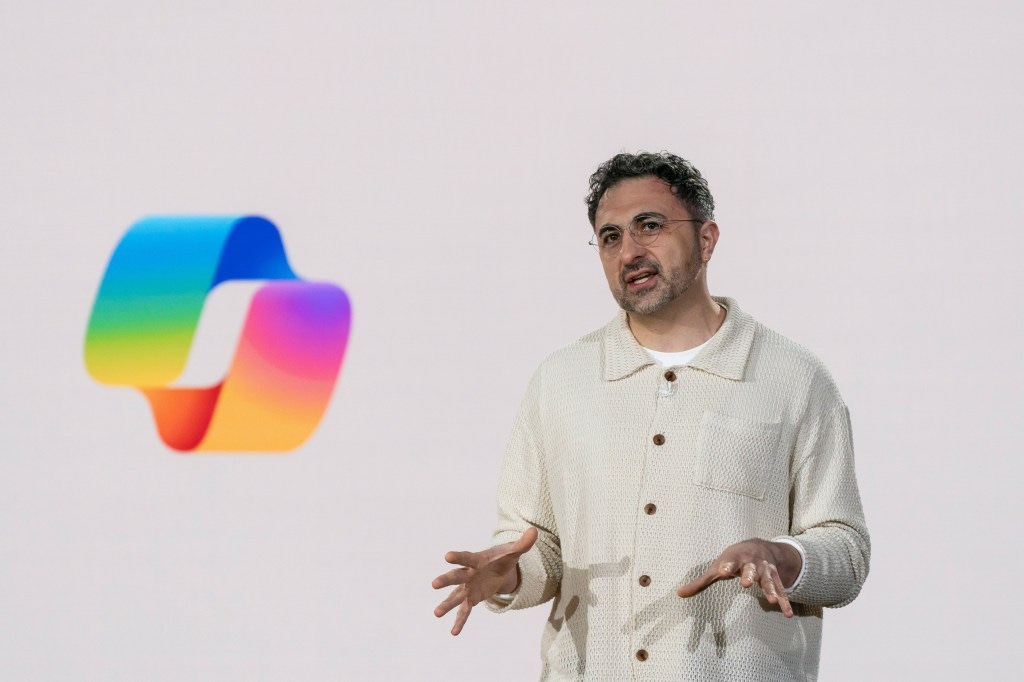
Microsoft takes on AI rivals with three new foundational models
Three big frontier AI models were released by Microsoft’s AI team this week - one for transcription, one for voice generation, and one for image generation.
A lot of Microsoft’s announcement focuses on speed and efficiency which I think will be an interesting battleground going forwards. Over the next couple of years I think we’re going to see a lot of progress here, especially on speed and we’ll look back at today’s AI like we view dial-up modem from the 90s.
Anthropic Says That Claude Contains Its Own Kind of Emotions
This is a super interesting video. Put aside the idea of emotions for one second and what it’s actually about is identifying parts of the model that influence behaviour. Turn up/down certain parts and it’s more/less likely to cheat at a test.
The video concludes that we need to think of AI models as characters in their own story. They don’t have emotions, but there are aspects of its character that can influence it, just like our emotions influence us.
This could lead to better model tuning in the future for specific tasks and generally helping align models more successfully. Great work!
Web 4.0
Future share price plummets after warning Google traffic loss has worsened
As more Americans adopt AI tools, fewer say they can trust the results
AI Ethics News
AI companies are building huge natural gas plants to power data centers. What could go wrong?
OpenAI buys tech talkshow TBPN in push to shape AI narrative
If OpenAI is to float on the stock market this year, it needs to start turning a profit
Long Reads
One Useful Thing - Claude Dispatch and the Power of Interfaces
Stratechery - Apple’s 50 Years of Integration
Business Insider - OpenAI needs to make money. Meet Fidji Simo, the ‘founder-mode’ executive charged with making it happen.
“The future is already here, it’s just not evenly distributed.“
William Gibson